
When selecting SPC flooring, we typically focus on surface patterns and wear resistance. However, an "invisible" component of the flooring system-the sound-absorbing underlayment-plays an equally important role regarding comfort, noise reduction, and the floor's service life.
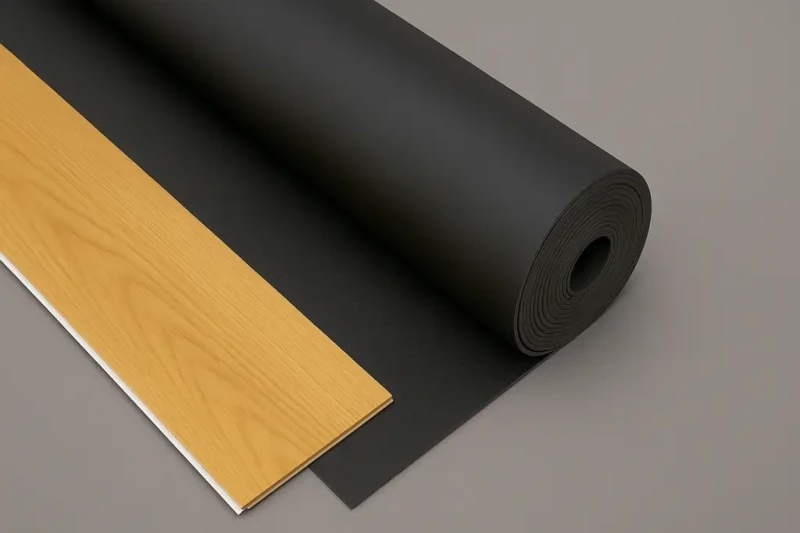
Two common underlayment materials used with SPC flooring are IXPE and EVA.
What Is IXPE Underlayment?
IXPE stands for Irradiated Cross-Linked Polyethylene. It is a cross-linked polyethylene foam produced through a special irradiation process.
IXPE foam has a closed-cell structure, which provides good moisture resistance, cushioning, and dimensional stability.
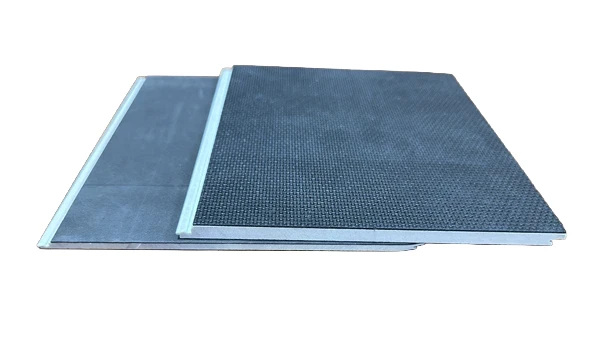
In SPC flooring, IXPE is commonly attached to the bottom of the flooring plank as a pre-attached acoustic underlayment.
Main Benefits of IXPE
- Good sound absorption and noise reduction
- Excellent moisture resistance
- Good dimensional stability
- Lightweight and flexible
- Comfortable underfoot
- Good cushioning performance
- Suitable for floating click-lock SPC flooring
- Helps reduce minor floor surface irregularities
Because of its combination of stability, moisture resistance, and cushioning, IXPE is widely used in residential and commercial SPC flooring.
What Is EVA Underlayment?
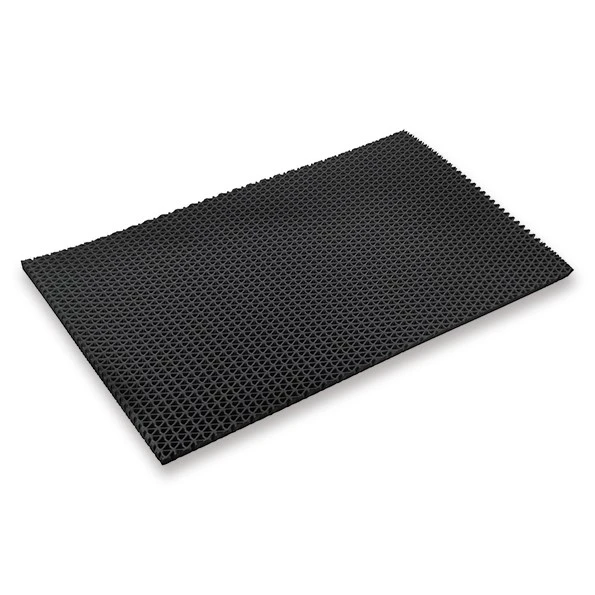
EVA stands for Ethylene Vinyl Acetate. It is a flexible foam material known for its elasticity, cushioning, and shock-absorbing properties.
EVA foam can also be used as an underlayment for SPC flooring, providing a softer feeling underfoot and helping reduce impact noise.
Main Benefits of EVA
- Good elasticity
- Excellent cushioning performance
- Soft and comfortable underfoot
- Good shock absorption
- Helps reduce impact noise
- Lightweight and flexible
- Available in different densities and thicknesses
EVA can be a suitable option when comfort and cushioning are important considerations.
Why does SPC flooring require IXPE or EVA?
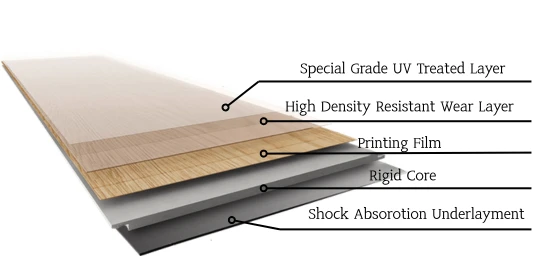
The structure of typical SPC flooring (from top to bottom) consists of a UV layer, a wear layer, a PVC decorative film, a rigid SPC core, and an optional underlayment.
This sound-insulating underlayment (IXPE or EVA) is crucial for:
- Enhancing comfort: Providing cushioning for a softer feel underfoot.
- Noise reduction: Absorbing footsteps and ambient noise; the uniform closed-cell structure of IXPE delivers superior performance.
- Stability and protection:
- Providing uniform support for the rigid SPC core.
- Compensating for subfloor imperfections.
- Reducing friction between the flooring and the subfloor, thereby extending the lifespan of the locking system.
4.Moisture and thermal insulation: Blocking ground moisture and improving thermal insulation.
| Feature | IXPE | EVA |
| Material | Cross-linked polyethylene | Ethylene vinyl acetate |
| Environmentally friendly | Excellent: No chemicals, low VOC emissions | Moderate: May release chemical residues or odors |
| Structure | Cross-linked closed-cell foam | Closed-cell foam |
| Density (kg/m³) | 33–90 (lighter) | ~100+ (heavier) |
| Underfoot Feel | Balanced and supportive | Softer and more cushioned |
| Cost | Higher (complex processes/equipment) | Lower (simpler processes) |
| Typical Application | SPC flooring, residential and commercial | Flooring, mats, cushioning applications |
How do you choose between IXPE and EVA?
When to Choose EVA
- Budget-Conscious Projects: Ideal for cost-sensitive applications, with EVA typically costing 20%–30% less than IXPE.
- Short-Term Use: Suitable for rental properties or temporary installations where long-term durability is not the primary concern.
- No Underfloor Heating: A practical choice for environments without radiant heating and with relatively stable temperatures.
When to Choose IXPE
- Health and Indoor Air Quality: A suitable choice for homes with children, elderly family members, or people with sensitivities, as well as hospitals and schools where indoor air quality is an important consideration.
- Premium Comfort: Ideal for applications that prioritize enhanced underfoot comfort and effective noise reduction.
- Long-Term Investment: Recommended when long-term durability, stability, and overall flooring system performance are key priorities.
- Radiant Heating: Heat-resistant IXPE can be used with radiant floor heating when properly specified for the application, helping maintain flooring system performance under elevated temperatures.
Conclusion: Choose Based on Your Needs and Priorities
IXPE offers excellent overall performance in areas such as environmental performance, durability, and sound reduction, making it well suited for premium flooring applications. EVA, on the other hand, provides a more cost-effective solution for applications where basic cushioning and noise-reduction performance are sufficient.
When choosing between IXPE and EVA, consider factors such as budget, installation environment, heating system, expected service life, and performance requirements.
As sustainability and performance standards continue to evolve, IXPE is expected to remain an increasingly popular underlayment option for SPC flooring.


